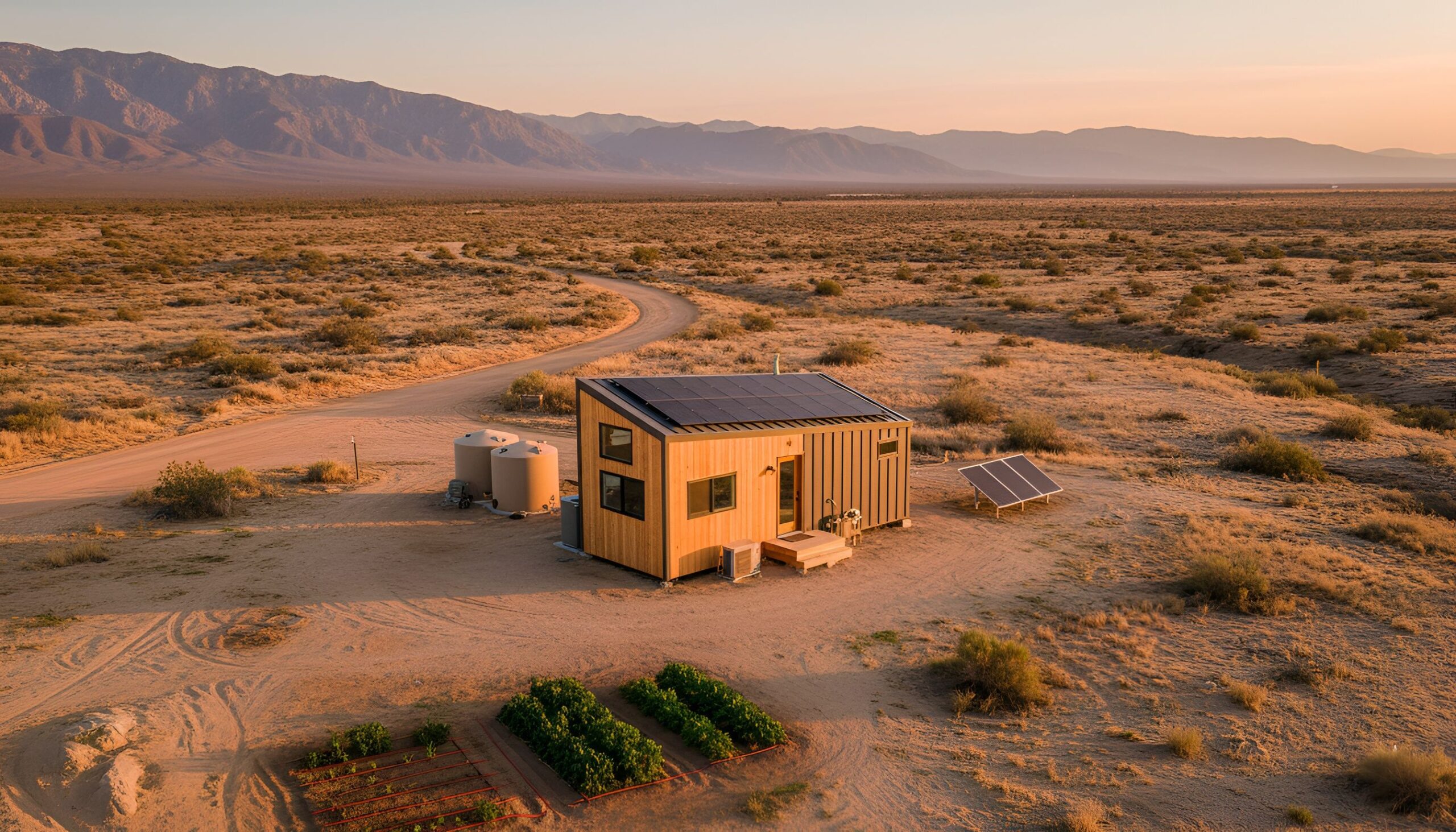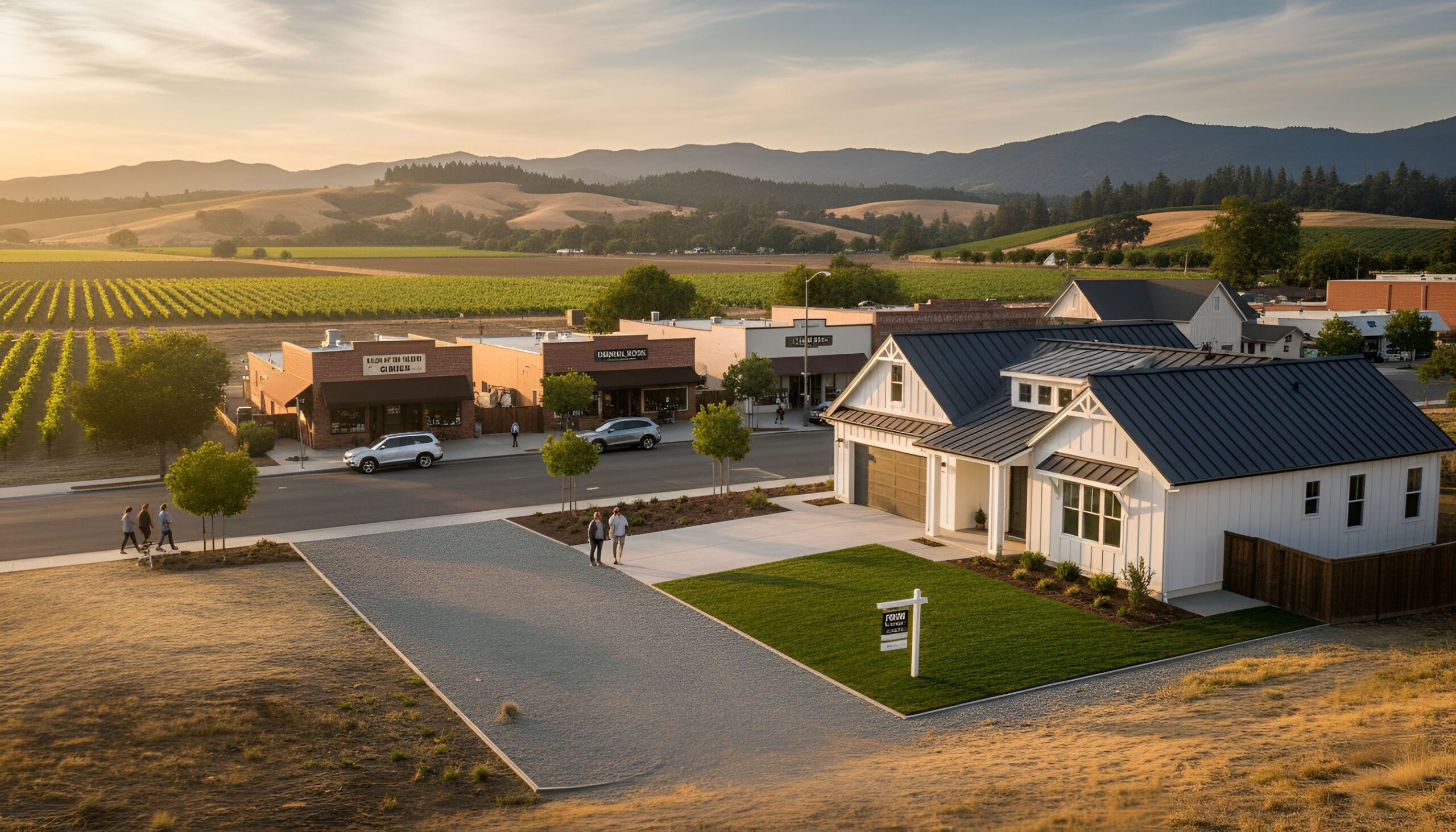
Living off the grid in California has become increasingly popular among buyers seeking independence, sustainability, and a simpler lifestyle. From solar-powered homes in the desert to self-sufficient cabins in the mountains, rural California offers diverse opportunities for off-grid living. However, buying property for this lifestyle requires careful planning, legal awareness, and an understanding of infrastructure needs.
Understanding Off-Grid Living in Rural California
Off-grid living means disconnecting from public utilities such as electricity, water, and sewage systems. In rural California, this often involves using solar panels, wind power, wells, rainwater collection, and septic systems.
While the idea is appealing, it’s important to understand that “off the grid” does not mean “off the law.” Properties must still comply with county zoning regulations, building codes, and environmental rules. Some areas are more flexible than others, especially in remote counties where land is less regulated.
Buyers should also consider access to roads, emergency services, and internet connectivity, which can vary widely across rural regions.
Legal and Zoning Considerations for Rural Property
Before purchasing land in California for off-grid living, zoning laws are one of the most important factors to review.
Each county has its own regulations regarding:
- Minimum lot sizes for building
- Allowed residential structures (tiny homes, cabins, manufactured homes)
- Water rights and well permits
- Septic system approval
- Environmental restrictions (protected habitats, wildfire zones)
Some rural areas allow “agricultural residential” zoning, which is more flexible for off-grid setups. However, California is known for strict building and environmental codes, so due diligence is essential.
Working with a local real estate agent familiar with rural properties can help avoid costly mistakes.
Costs, Infrastructure, and Financing Off-Grid Properties
Buying rural land in California can be more affordable upfront, but infrastructure costs can add up quickly.
Key expenses include:
- Solar power systems and battery storage
- Water wells or water hauling systems
- Septic tank installation
- Road access or grading improvements
- Permits and inspections
Financing can also be challenging. Many traditional lenders hesitate to finance undeveloped land or non-conventional homes. Buyers often rely on:
- Land loans with higher down payments
- Cash purchases
- Owner financing options
Despite these challenges, long-term savings on utility bills and increased self-sufficiency make off-grid living attractive to many buyers.
Best Rural Areas in California for Off-Grid Living
California offers several regions ideal for off-grid property purchases:
1. Northern California (Humboldt, Trinity, Siskiyou Counties)
Known for dense forests, rivers, and low population density. Ideal for privacy and sustainability.
2. Central California (Fresno, Kern, and parts of San Luis Obispo County)
Offers a mix of desert and agricultural land with more affordable acreage options.
3. Southern California Desert (San Bernardino and Imperial Counties)
Popular for solar energy potential and wide open land, though water access can be limited.
4. Sierra Nevada Foothills (El Dorado, Nevada County)
Great for mountain living, natural water sources, and cooler climates.
Each region has unique pros and cons, so buyers should evaluate climate, accessibility, and long-term livability.
Steps to Buying Off-Grid Property in California
Purchasing rural land involves a slightly different process than buying a standard home:
- Define your off-grid goals (solar, farming, tiny home, etc.)
- Research counties with flexible zoning laws
- Verify water access and utility alternatives
- Conduct a land survey and environmental review
- Secure financing or prepare for cash purchase
- Work with a rural real estate specialist
- Confirm building permits and long-term development potential
Taking these steps ensures your investment aligns with both your lifestyle and legal requirements.
Frequently Asked Questions (FAQs)
1. Is it legal to live off the grid in California?
Yes, off-grid living is legal in California, but it must comply with local zoning laws, building codes, and environmental regulations.
2. What is the cheapest land in California for off-grid living?
Typically, rural areas in Kern County, Imperial County, and parts of Northern California offer the most affordable land.
3. Can you build a house anywhere on rural land in California?
No. You must follow county zoning rules, obtain permits, and meet building code requirements before constructing a home.
4. Do I need a well for off-grid living in California?
Not always. Some properties allow water hauling or rainwater collection, but many long-term setups rely on private wells.
5. How much does it cost to go off the grid in California?
Costs vary widely, but setting up solar, water, and septic systems can range from $20,000 to $100,000+ depending on location and scale.
Buying rural property in California
Buying rural property in California for off-grid living can be a rewarding investment for those seeking independence and a sustainable lifestyle. However, success depends on careful planning, legal awareness, and choosing the right location.
If you’re ready to explore off-grid land opportunities in California, our real estate experts can help you find the perfect property that matches your vision.